A summer hydro bill has a way of telling the truth about your cooling system. When the number climbs without a heat wave to explain it, the air conditioner is usually fighting something fixable, and every extra hour of runtime is paying for that fight.
Dirt Is the Most Common Culprit of All
A clogged filter. When the filter is full, airflow drops and the system cannot move enough air to cool or dehumidify properly. Dirty coils. Dust building up on the indoor and outdoor coils blocks heat exchange, so heat that should be carried outside simply stays put.
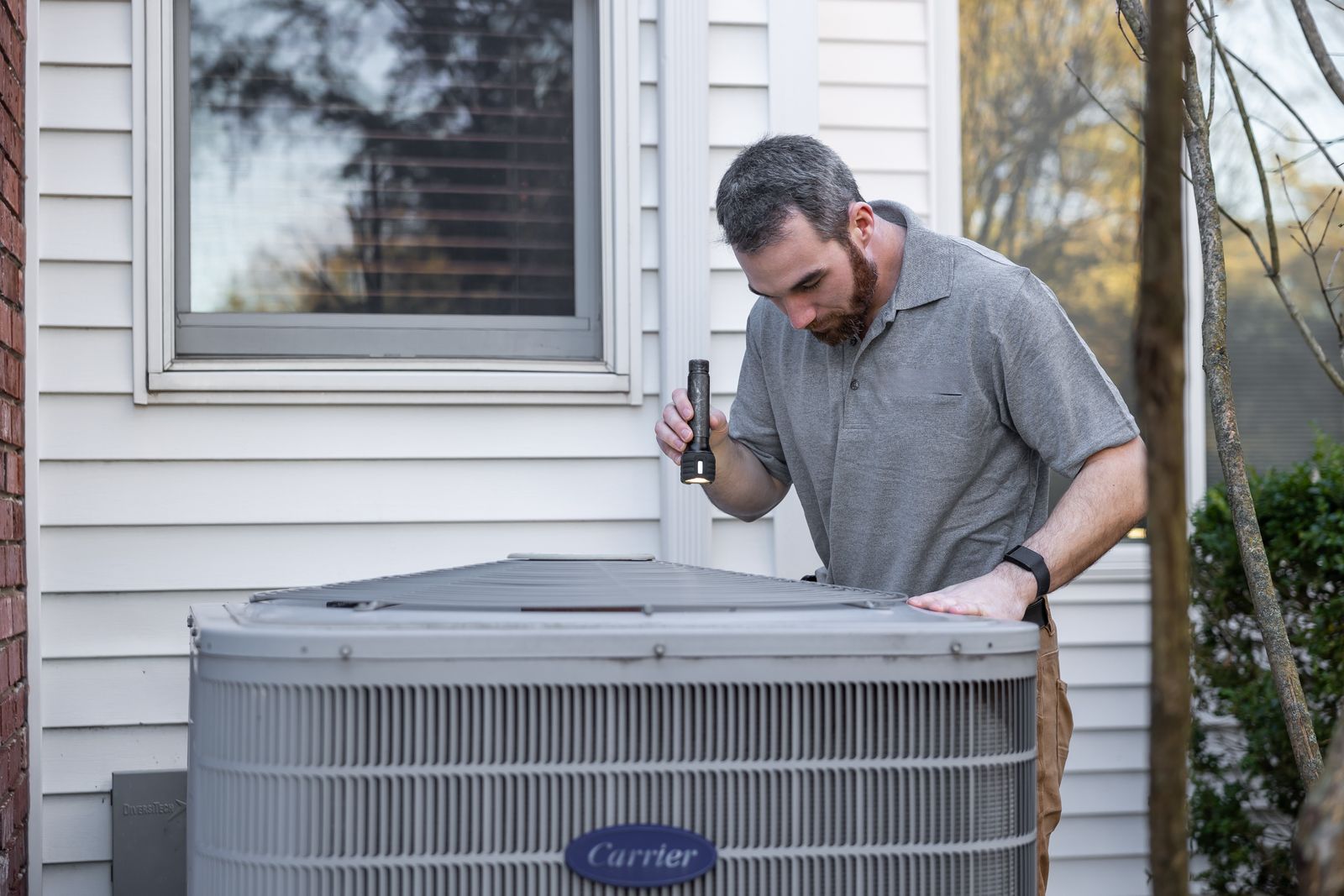
A blocked condenser. Grass clippings, leaves, or a fence placed too close trap heat around the outdoor unit, forcing it to work even harder on days that are already tough.
Age, Size, and the Ceiling They Set
An aging unit. As a system gets older, its compressor and coils slowly lose efficiency, so it delivers less cooling on the hottest, most humid days, exactly when you need it most.
An undersized system. If the unit was never matched to the home's cooling load, it falls behind on peak afternoons and never catches up. Sizing can overshoot in the other direction, too: an oversized unit short-cycles, cooling in quick bursts that leave the air cold but clammy because the system never runs long enough to dry it.
Why Does Airflow Matter So Much?
Your air conditioner does not just cool air, it also strips moisture out of it as air passes over a cold indoor coil. Both jobs depend on a steady stream of air. When airflow weakens, less air gets cooled and less moisture gets removed, so rooms turn warm and sticky at the same time.
That is why airflow complaints in St. Thomas homes spike during humid stretches in July and August, when the system is already running its longest cycles of the year.
Refrigerant, the Envelope, and the Numbers
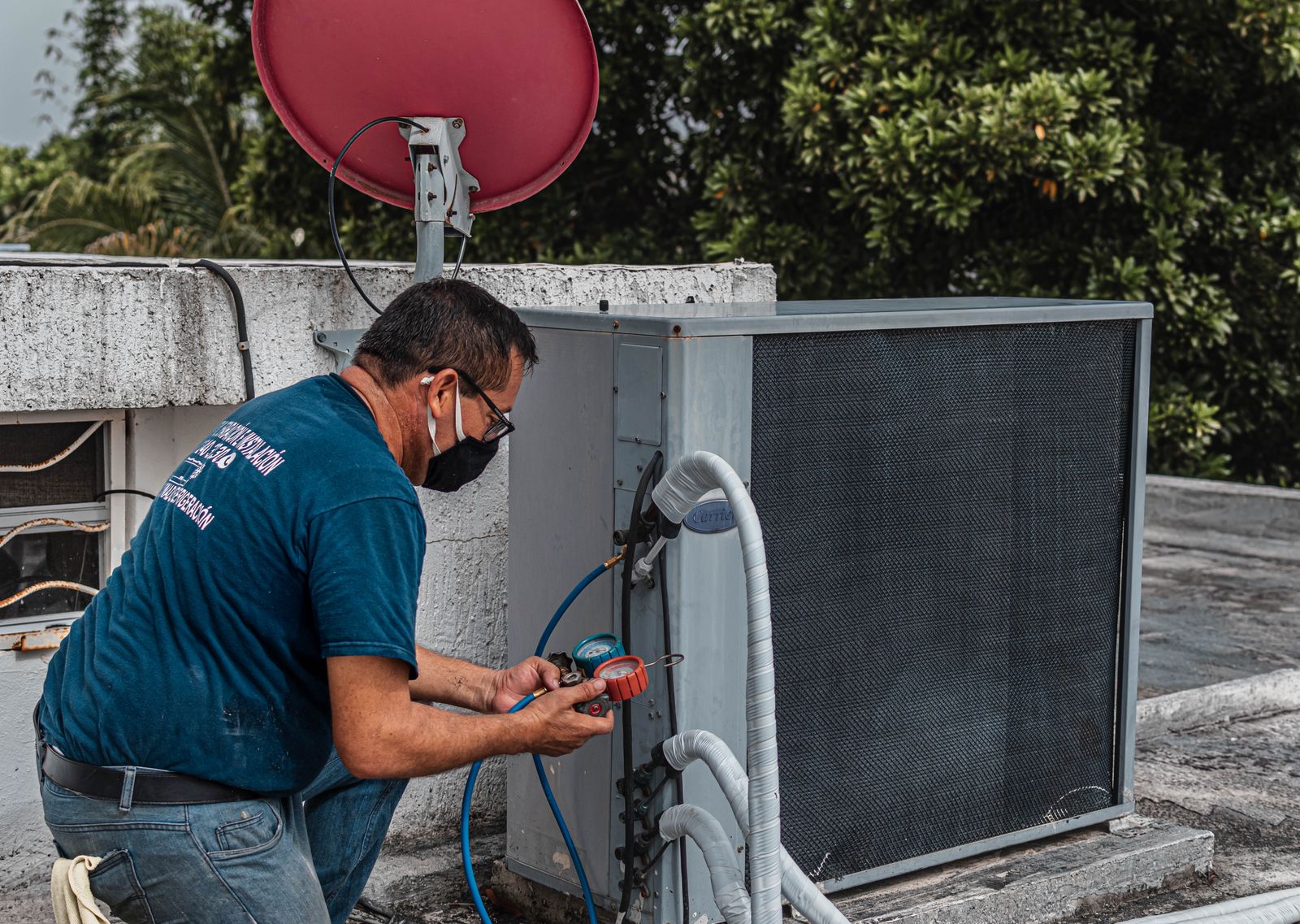
Low refrigerant. Removes the working fluid that carries heat outside, so every cycle delivers less cooling. Poor insulation and air leaks. Add cooling load the equipment was never meant to carry, often making a healthy unit behave like a failing one.
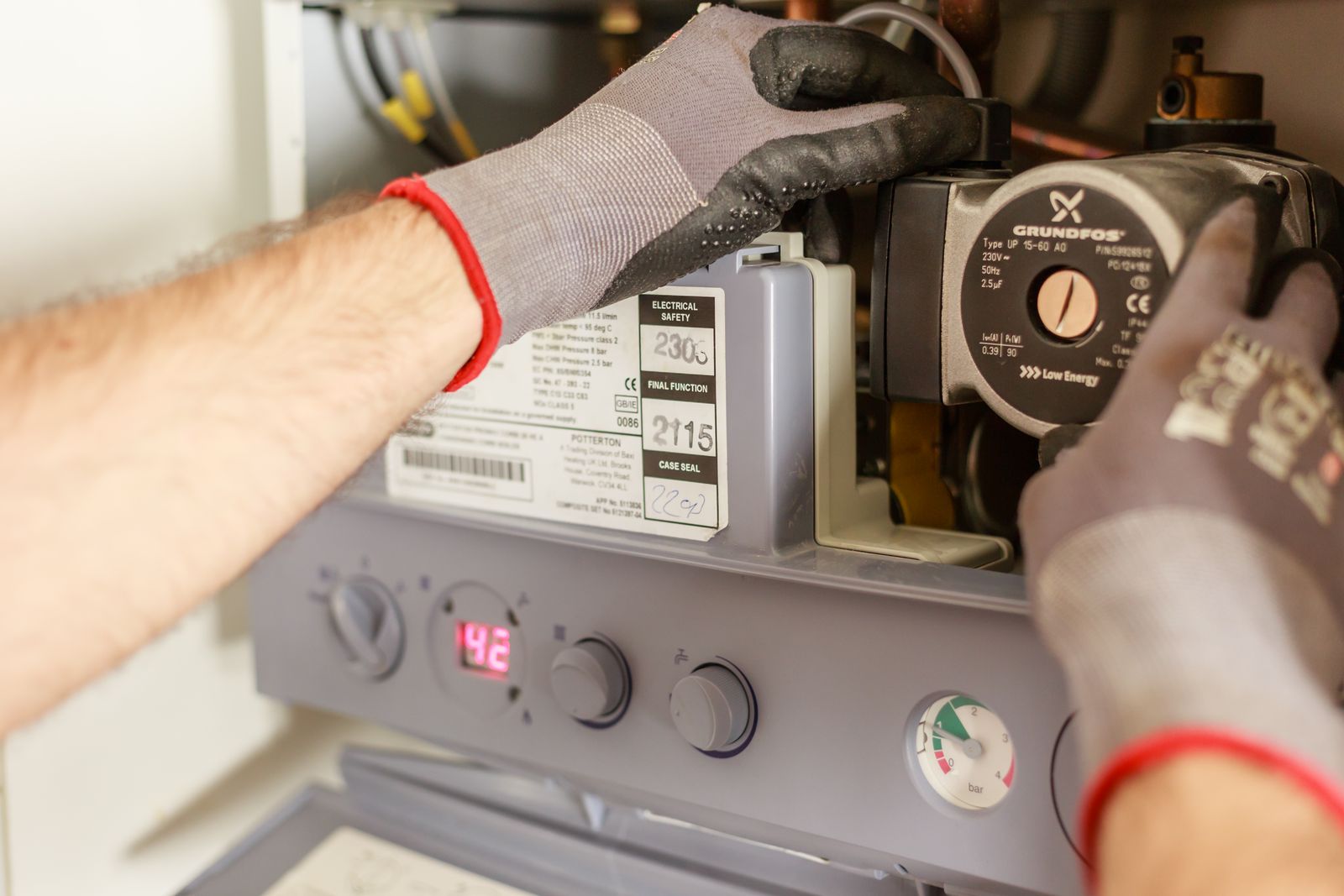
A St Thomas Heating & Cooling service visit tests the system under real conditions: measuring airflow, verifying the charge, and comparing the unit's capacity against the home's actual cooling load. That last step settles questions with numbers instead of opinion, and it often costs less than a single premature repair.
Ceiling fans do not lower the air temperature, but they make a room feel a couple of degrees cooler by moving air across your skin. Running them in occupied rooms lets you nudge the thermostat up without sacrificing comfort, and they cost pennies a day to operate.