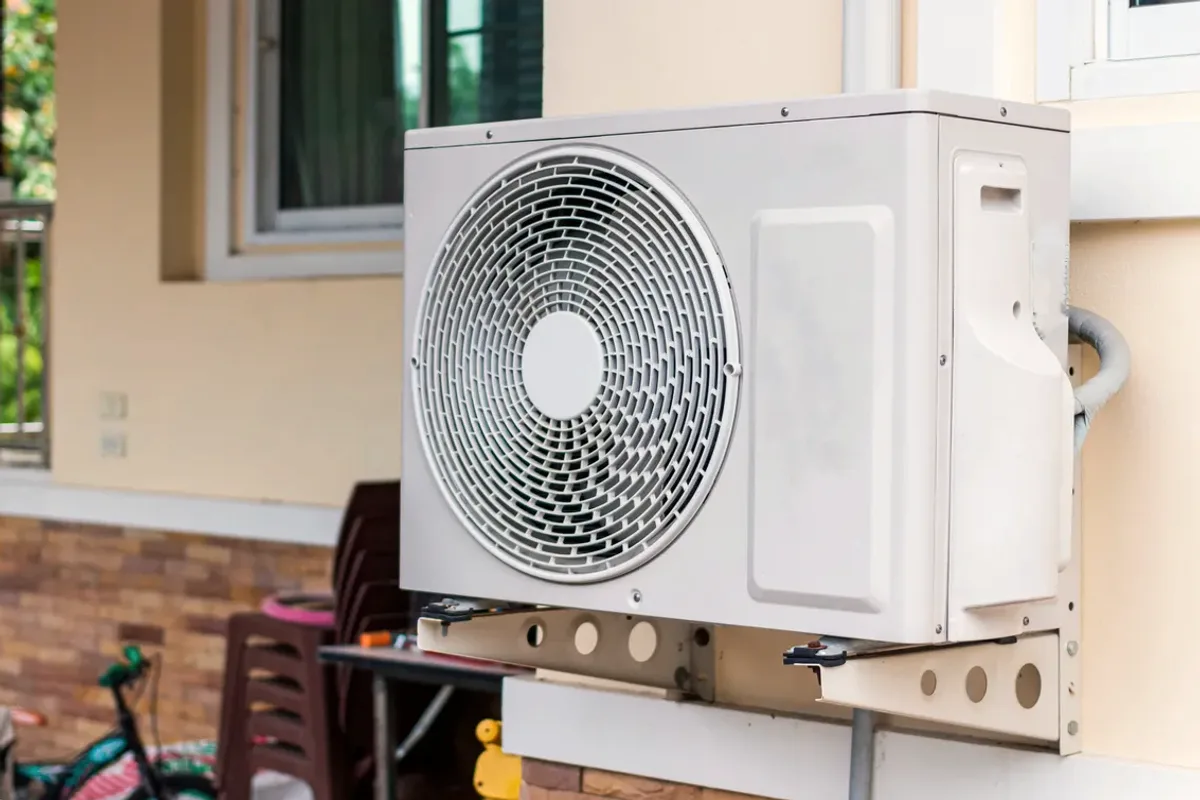
Request heat pump repair & installation for a property in St. Thomas. Include the equipment, the problem or planned work, and your location so the request can be reviewed.
Does the heat pump have trouble in heating mode, cooling mode, or both?
A heat pump that fails to heat, cools unevenly, runs continuously, or makes an unusual sound may need diagnosis or a replacement assessment. Repair and installation are different decisions: a repair addresses a confirmed fault, while replacement planning considers the equipment and the home's heating and cooling requirements. Describe the operating mode, symptoms, and any recent change when making a service request. Model details and repair history can help define the assessment.
Assessment establishes the heat pump type, the mode in which symptoms occur, and whether the issue is consistent or intermittent. Indoor and outdoor operation, controls, airflow, and any error display can inform diagnosis. Repair requires confirming the fault, while installation planning needs information about the existing system and the areas it serves. Refrigerant and internal electrical checks are not homeowner tasks.
Heat-pump heating and cooling fault diagnosis
Repair, controls, airflow, and service-history comparisons
Heat-pump replacement planning and system suitability
Assessment and Scope
Questions for the Proposed Work
01
Diagnose symptoms in the affected operating mode
A heat pump that does not heat and one that does not cool may point to different operating conditions, even when the same equipment is involved. Uneven output, extended operation, or unusual noise should be described with the mode and timing noted. Inspection can then consider controls, airflow, and relevant equipment components. A sound or runtime alone does not identify a failed part or justify a replacement.
02
Repair a confirmed fault before judging the system
A repair decision follows diagnosis of the component or operating problem, with the equipment's history helping show whether the fault is isolated or recurring. Records of earlier repairs, the model, and the current symptoms make that comparison more useful. Internal electrical and refrigerant work requires qualified service. A maintenance visit is distinct from repair and should follow the manufacturer's instructions and inspection findings.
03
Plan replacement around the existing system
If replacement is being considered, the assessment should establish what the current heat pump serves, how it is configured, and which heating and cooling requirements the proposed equipment must meet. Existing ductwork or indoor-unit arrangements affect the installation scope. A replacement choice should not be based on a generic capacity or age rule. Comparing repair history with the condition and suitability of the existing system clarifies the decision.
Compare the next step
Ask how outdoor placement supports year-round airflow, drainage, and inspection without obstructing service routes. Include landscaping and anticipated storage changes in that discussion. Inside, check access to filters, controls, and backup equipment so a new heat-pump installation does not make retained appliances harder to maintain.
Cold-climate capability does not prove that one model covers every home heating load. Ask how the selected equipment and supplementary heat meet the actual design requirements.