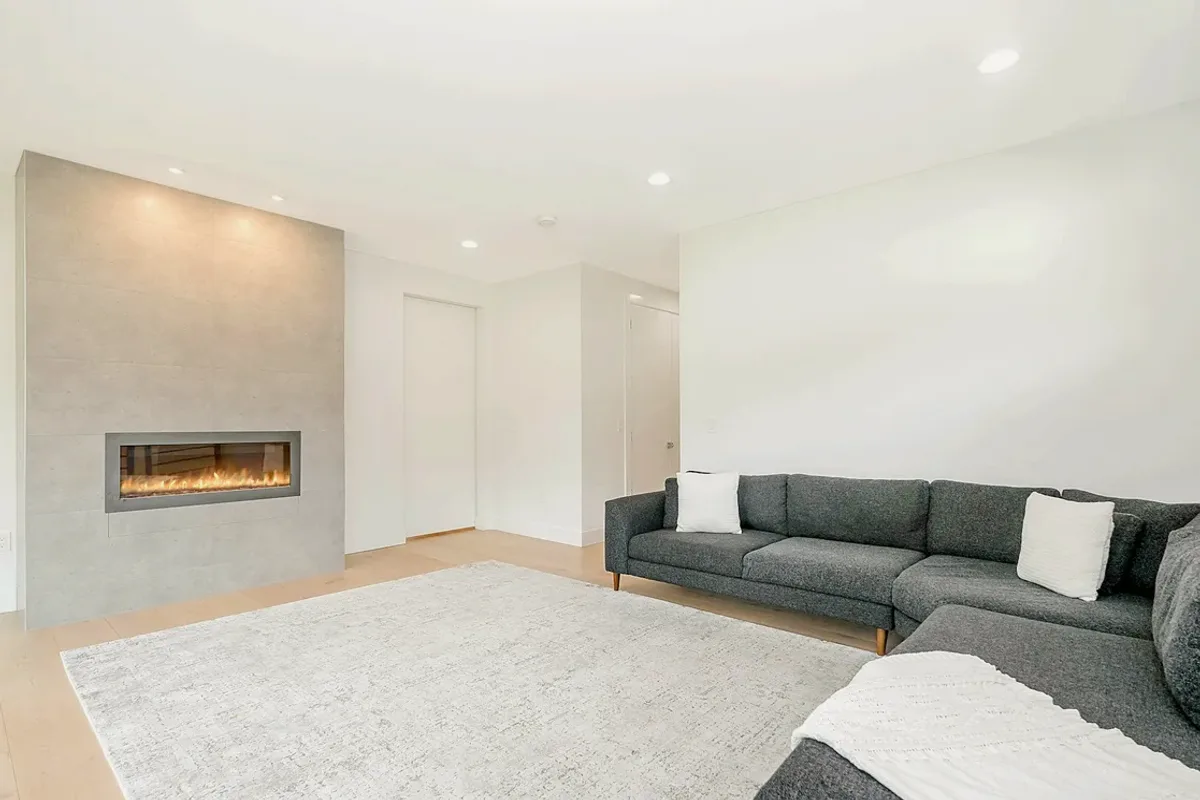
Request fireplace installation for a property in St. Thomas. Include the equipment, the problem or planned work, and your location so the request can be reviewed.
Are you considering a gas, electric, or wood-burning fireplace, and where would it be located?
Installing a fireplace involves more than selecting an appliance: the fuel type, intended location, clearances, and venting or chimney arrangement define the project. Gas, electric, and wood-burning models have different connection and installation requirements. A service request can describe whether the project is new construction, an opening in an existing wall, or replacement of an existing unit. The appliance model and site conditions are needed to assess the installation scope.
Assessment should identify the intended appliance and location, the surrounding construction, and the venting or chimney route required by that model. For gas equipment, the proposed fuel connection must be assessed; electric models require suitable electrical provision, while wood appliances depend on an appropriate chimney arrangement. Existing openings or vent paths require inspection before reuse because appearance alone does not confirm suitability.
Gas, electric, and wood-burning fireplace installation
Appliance placement, clearances, and venting or chimney routes
Existing-opening assessment and installation-versus-replacement scope
Assessment and Scope
Questions for the Proposed Work
01
Choose installation details by fireplace type
A gas fireplace requires a compatible fuel connection and the venting arrangement specified for its model. An electric unit has different electrical and placement needs, while a wood-burning appliance depends on its chimney and flue configuration. These are distinct installation scopes, not interchangeable finishing choices. Identifying the appliance before planning the opening or surrounding finish helps prevent a layout that conflicts with its requirements.
02
Assess the opening, clearances, and vent route
Where an existing opening is being reused, its dimensions, surrounding materials, and condition need to be compared with the selected appliance's installation instructions. A new location requires assessment of the proposed route for venting or chimney components and the space available around the unit. For a replacement, inspect the existing appliance and vent path rather than assuming they suit a different model. Findings shape the work required.
03
Separate installation from repair or replacement
A new installation creates an appliance location and its required connections; replacing an existing fireplace changes equipment and may also require changes to the opening or vent arrangement. A repair request for an installed unit is a separate diagnosis, based on its model and the observed fault. Damage to the firebox, appliance, or vent may alter whether repair or replacement is appropriate. Inspection findings, not age alone, guide that decision.
Compare the next step
Have the installer identify service access on the selected appliance before designing the finished surround. Ask which panels, clearances, and vent portions remain accessible and how future repair would be performed. Resolve those details with cabinetry and wall finishes before accepting a layout that only shows the visible flame opening.
Use a qualified contractor for the chosen appliance and any fuel, venting, or electrical work. Do not alter the appliance or defeat its controls. Confirm its manufacturer operating requirements before relying on it for whole-home or outage heating.