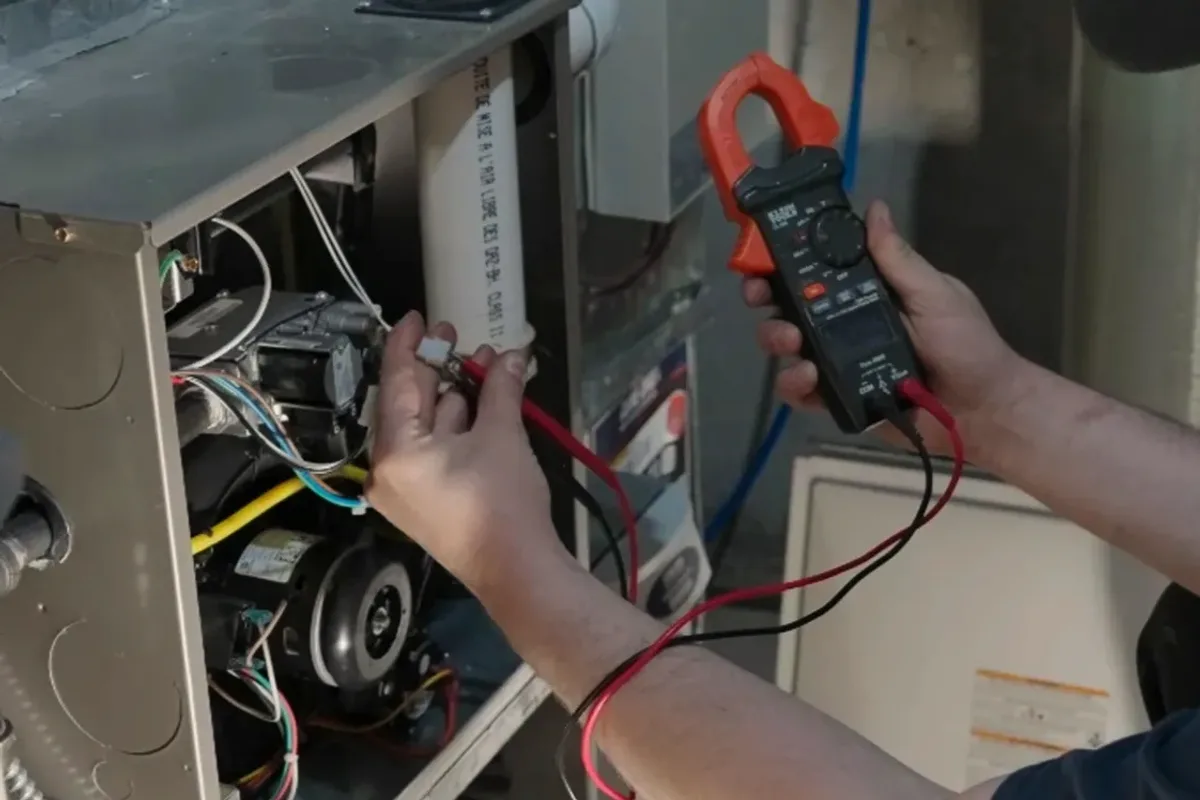
Request furnace repair for a property in St. Thomas. Include the equipment, the problem or planned work, and your location so the request can be reviewed.
Does the furnace fail to ignite, run without heating adequately, or stop and restart unexpectedly?
A furnace that will not start, produces unusual sounds, or leaves rooms unevenly heated may have a fuel, ignition, airflow, control, or motor fault. Repair scope depends on the furnace fuel and design, the symptoms, and any displayed fault information. A service request can describe what changed and when it began. Inspection findings help distinguish a repairable component problem from recurring failures that may warrant comparing repair with replacement.
Diagnosis begins by identifying whether the furnace uses gas, propane, or oil and recording its model and observed symptoms. A failure to fire points toward different checks than weak airflow or uneven heat. Error indications and service history can narrow the investigation. Combustion, fuel, electrical, and safety-control checks require qualified service rather than homeowner adjustments.
Gas, propane, and oil furnace repair
Ignition, airflow, burner, and control faults
Maintenance findings and repair-versus-replacement decisions
Assessment and Scope
Questions for the Proposed Work
01
Separate ignition faults from airflow problems
A furnace that does not fire calls for investigating its ignition sequence, fuel supply, and relevant safety controls; a furnace that runs but moves little warm air points toward airflow or blower concerns. The distinction matters because replacing an ignition part will not correct a restricted air path. Note whether the blower starts, whether heat reaches some or all registers, and any error indication for the service request.
02
Use maintenance findings to guide work
Inspection may include airflow, filter condition, burners, thermostat operation, and key furnace components, with the exact checks guided by the equipment and manufacturer instructions. A dirty filter or control issue may call for a focused correction, while burner or electrical findings require appropriate service. Maintenance is an inspection and care decision, not a guarantee against future failures or a reason to replace parts without evidence.
03
Compare repair with replacement using history
A single failed component can leave a furnace suitable for repair, while repeated faults or a major component failure may justify comparing options. Relevant records include the age and model, previous repairs, recurring symptoms, and the condition of the heat-producing and control components. A replacement decision should account for the existing fuel type and system setup rather than assume that every older furnace needs the same solution.
Compare the next step
Show the service route and any enclosure around the appliance before a repair visit. Ask what access must remain for routine filter care and professional assessment, and whether planned storage or cabinetry conflicts with it. The finished arrangement should support future inspection instead of addressing only the current repair.
Leave burner, fuel, venting, electrical, and internal equipment work to a qualified contractor. Do not bypass a safety switch or repeatedly reset a furnace.