Winter in St. Thomas does not ease in, it lands. When the temperature drops and stays down for weeks, your furnace becomes the hardest working appliance in the house. The good news is that furnaces rarely fail without warning. Odd sounds, cold rooms, climbing bills and a few other signals tend to show up first, and knowing how to read them is the difference between a small repair and a freezing night.
Airflow Problems Wear a Disguise
It rarely announces itself as an airflow problem. Homeowners describe cold rooms, warm upper floors, or a furnace that runs forever, and the cause is often the same thing: air that cannot get from the furnace to the rooms. Leaky or blocked ducts, a clogged filter and a blower motor past its prime all cut the stream at the registers. Walk the house on a cold evening and feel each vent. Weak flow in the coldest rooms is the clue that ties the symptom to the fix, and it points straight at the ductwork or the blower.
Turn Down the TV and Listen
New noises are not something to get used to. When a furnace starts screeching or grinding, the blower motor bearings or the belt are usually the source, and every cycle deepens the damage. A rattle points to something loose, from a door panel to internal hardware, that can work itself free. Distinct clicking at startup means ignition trouble, commonly the flame sensor or the igniter itself. A few minutes of listening while the thermostat calls for heat tells a technician a surprising amount before the visit even begins.
What Your Runtime and Bill Are Telling You
Rising energy bills. Compare this winter's gas bill with the same month a year ago. If usage climbed with no colder weather to explain it, the furnace is running longer to deliver the same heat, the classic signature of falling efficiency: a clogged filter, dirty burners or worn parts. Frequent cycling on and off. A furnace that starts, runs a few minutes, shuts down and repeats is short cycling, usually from a dirty filter, a thermostat fault or restricted airflow, and every restart wears the igniter and controls.
Check the Flame Colour
Blue is healthy, yellow is a warning. The pilot or burner flame on a gas furnace should burn a clean, steady blue. Yellow or orange, especially when it flickers, means incomplete combustion, and incomplete combustion is the classic carbon monoxide concern. Venting problems and a dirty burner can both cause it, and neither is a DIY fix. Shut the unit off and arrange a licensed inspection immediately; if the house smells of exhaust or a CO alarm sounds, get everyone outside first and call from there. Acting on a flame colour this week is always safer than acting on an alarm next month.
What Happens During a Repair Visit
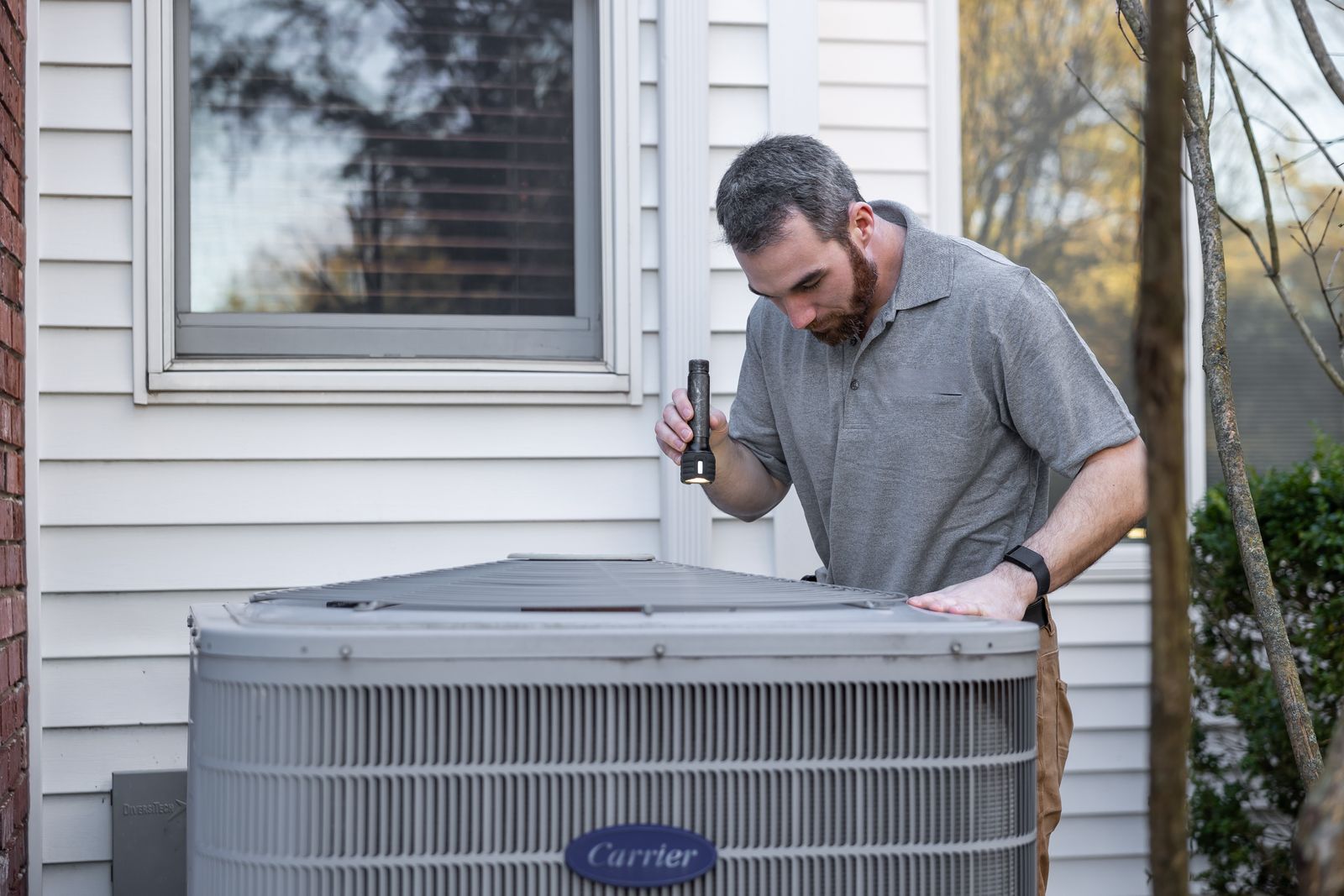
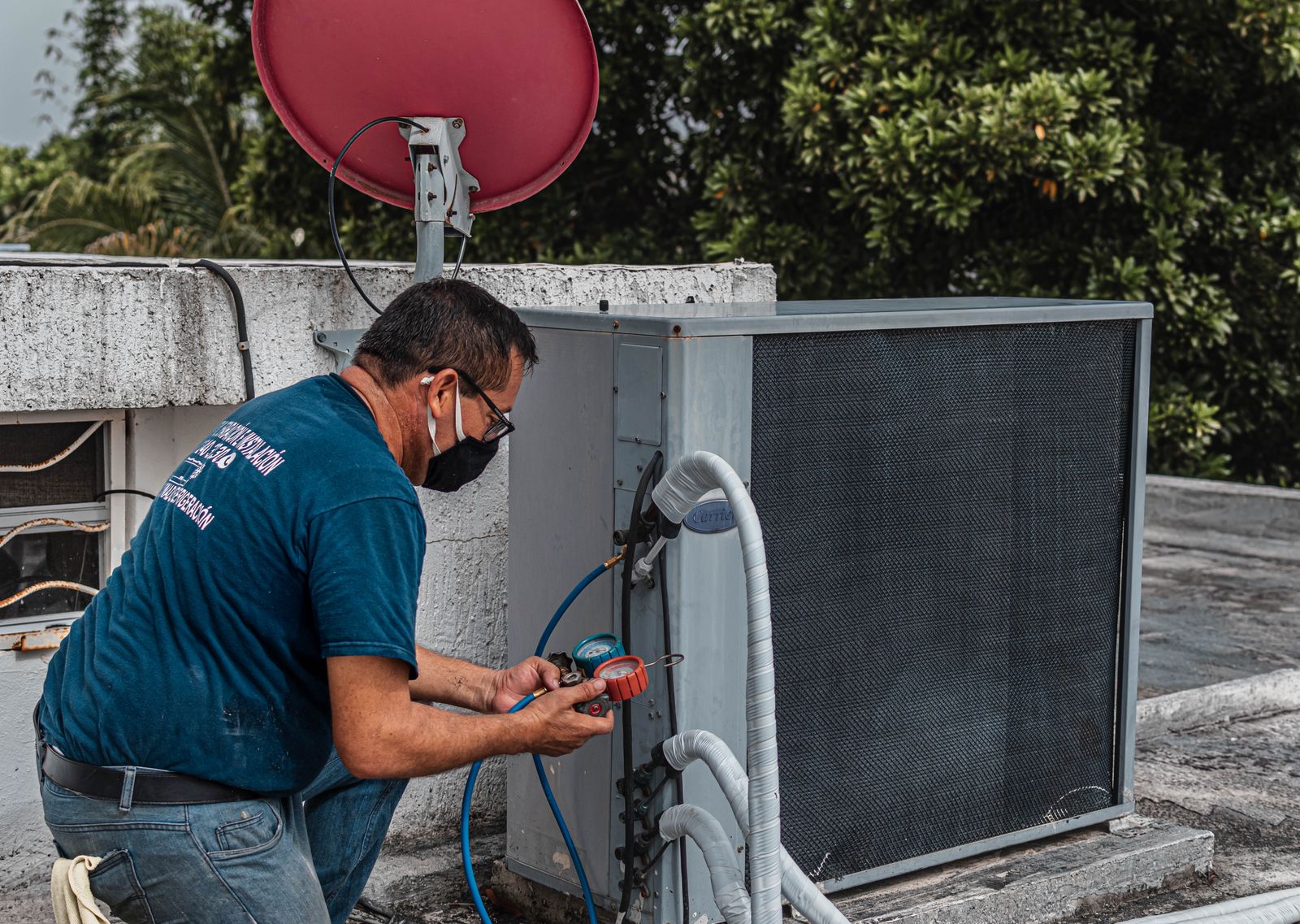
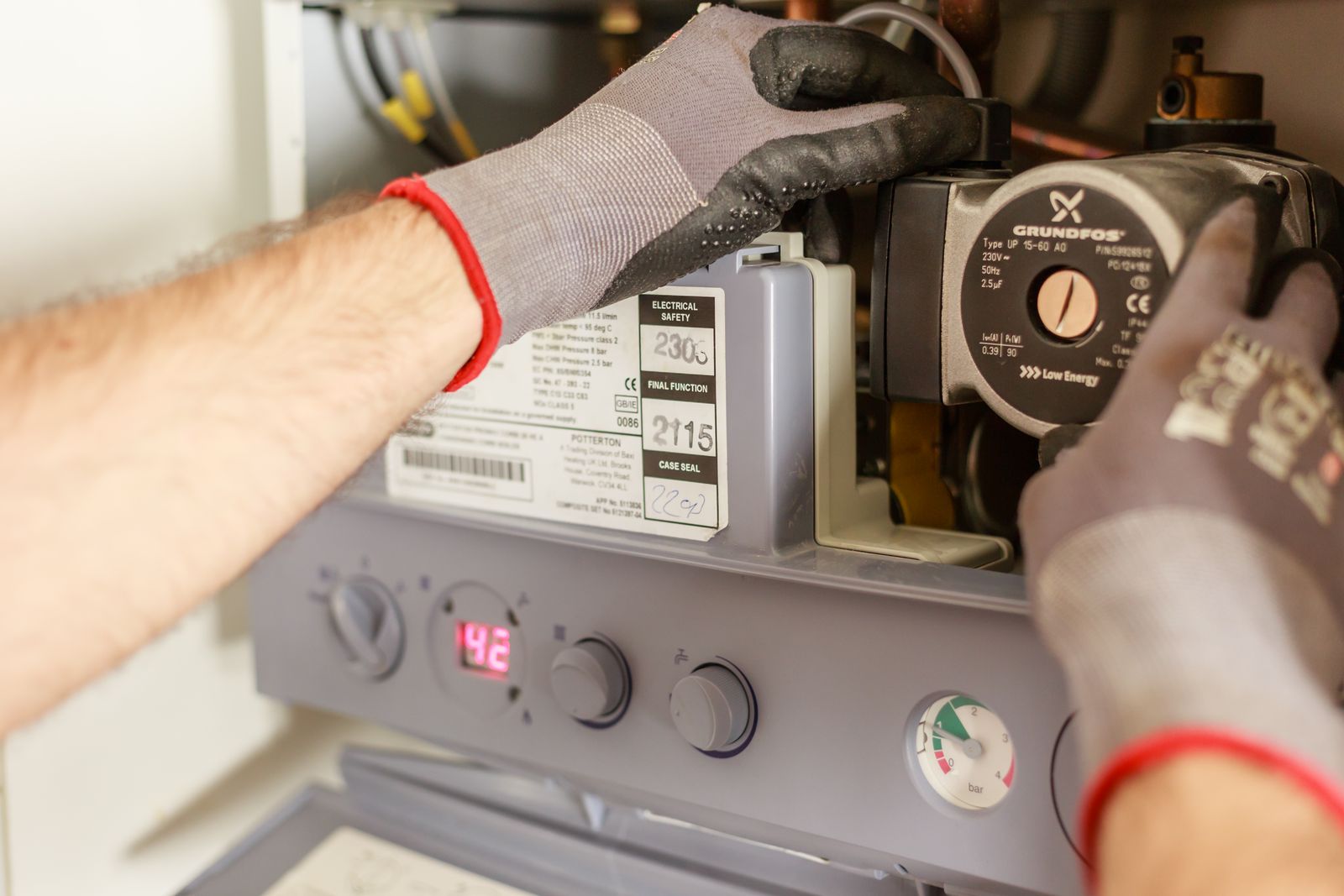
Expect a combustion test, a heat exchanger inspection, burner and flame sensor checks, an airflow measurement, a thermostat test and a carbon monoxide check at the registers. A good technician explains each finding as it happens, shows you the part if a part is the problem, and quotes firm prices whether the fix turns out to be a ten-minute adjustment or a full repair. Homeowners in St. Thomas deserve that much clarity before opening the chequebook.